Once you've bought the boat the next question is where it lives. Bermuda has fewer dock options than most places this size, and the good slots all have waitlists. Here is exactly how mooring, marinas and private docks work across the island, and what each costs.
Option 1: Public mooring buoys (BMA assignment)
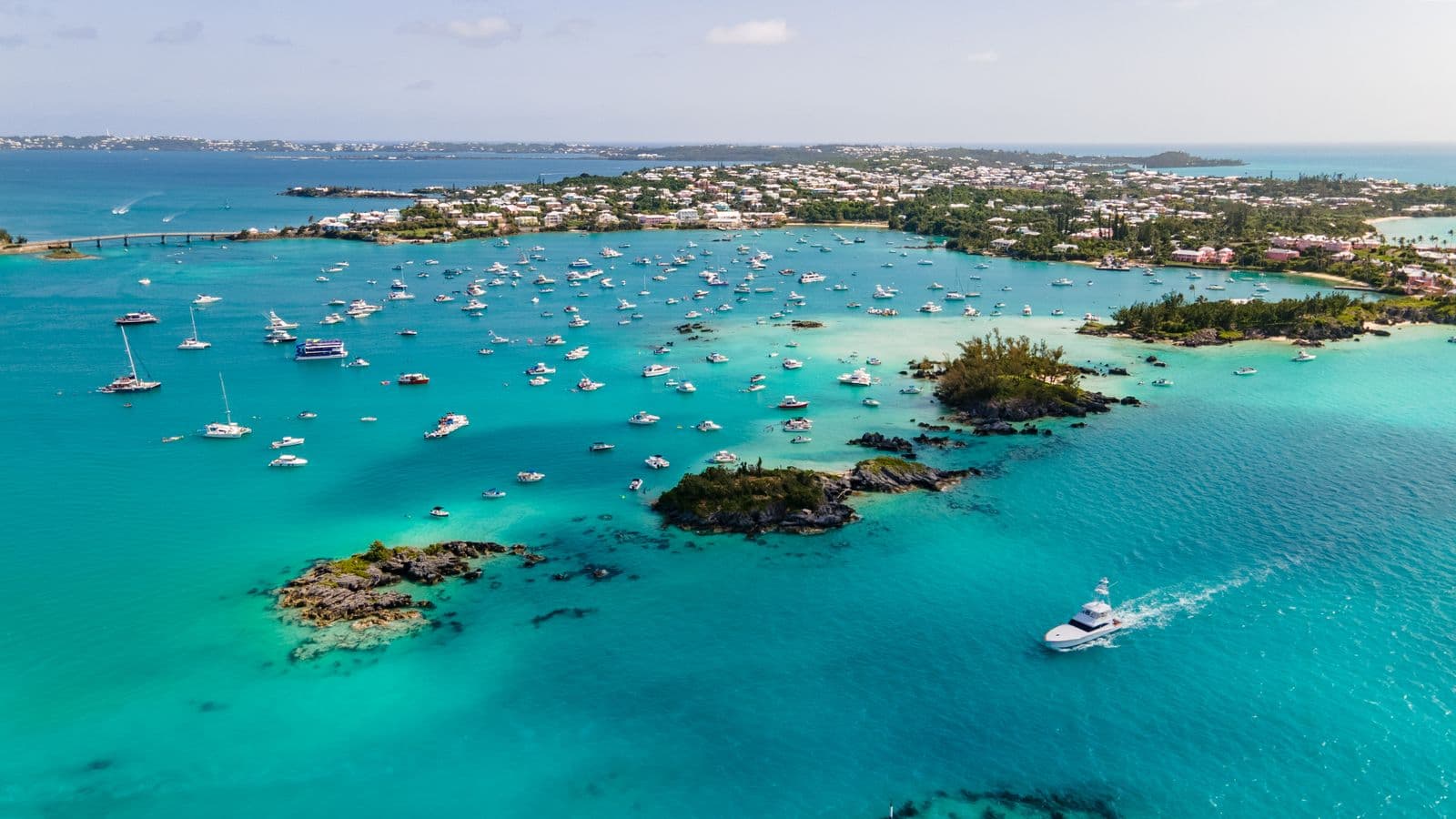
The Bermuda Maritime Authority manages public mooring buoys in designated mooring fields across the island. Most parishes have one. You apply through BMA for a mooring assignment matched to your boat's length and draft. Cost runs US$300 to US$1,000 per year depending on location and size. Waitlist depends on the field, anywhere from immediate to 2 to 3 years for the prime fields. This is the cheapest legal way to keep a boat in the water in Bermuda.
Option 2: Marina slips
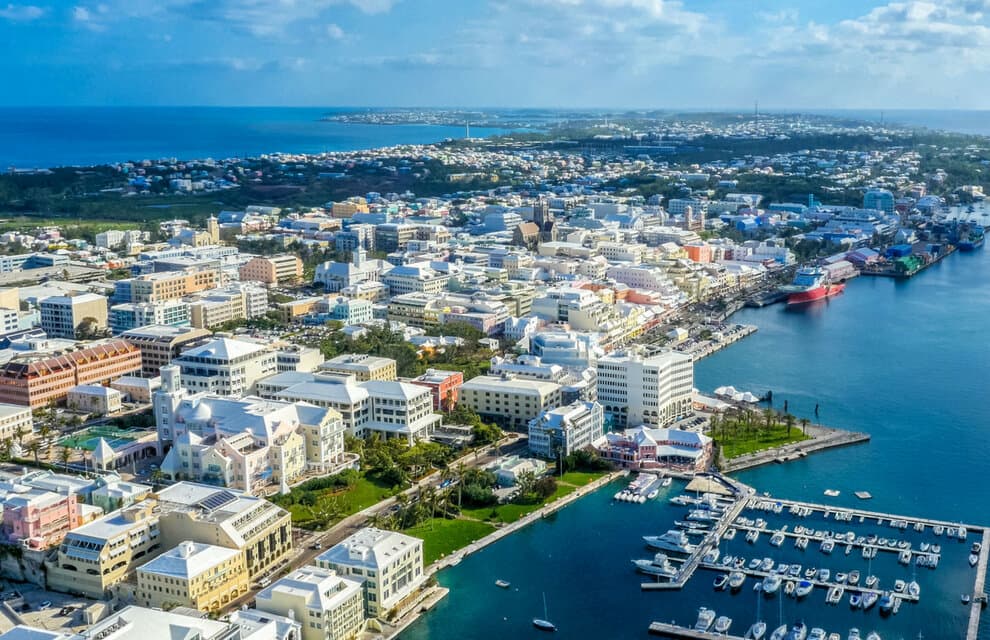
Bermuda has a small number of marinas. Hamilton Princess Marina, Royal Bermuda Yacht Club, St. George's Dinghy and Sports Club, Mills Creek Marina, Robinson's Marina, others. Slips run US$2,500 to US$8,000 per year depending on length and location. Hamilton Harbour slips are the most expensive. Sandys and St. George's are cheaper. Most marinas have waitlists for prime sizes. We have working relationships with marina managers and can help shorten a waitlist.
Option 3: Private dock
Bermuda waterfront homes often have a private dock. If you have one, this is the easiest, cheapest and most convenient option. Free, always available, no waitlist. The constraint is whether your dock has the depth and clearance for the boat you want. Worth measuring before you buy.
Option 4: Renting dock space from a neighbour
Common in Bermuda. If a waterfront homeowner has a dock and you have a boat, you negotiate a season rate directly. Typical range US$2,000 to US$6,000 per year. No formal listing market. The way to find one is to ask around or have us put feelers out through our owner network.
Option 5: Yard storage (off-season only)
If you don't want the boat in the water year-round, you can store on stands at a Bermuda boatyard from December through April. Cost US$30 to US$80 per foot per season. Combine this with a summer mooring or slip and you split costs across two solutions.
Which option fits which boat
Some rules of thumb based on hundreds of Bermuda boats we've placed.
- ●Under 22ft skiff or center console: public mooring is fine. Cheap, plenty available, easy to launch.
- ●22 to 28ft center console or day cruiser: public mooring works, but a slip is better if you want plug-in shore power, easier loading and protection from chop. If on a private dock, perfect.
- ●28 to 38ft day cruiser or sport fisher: a slip or hurricane-rated mooring is recommended. The boat is too big to row a dinghy out to a buoy easily.
- ●38ft+ motor yacht: marina slip with shore power and water access, or a private dock if you have the depth.
- ●Jet skis and PWCs: dry-rack at a marina or stored on a private dock. Don't moor them in the water year-round.
How to apply for a BMA mooring
Application form lives on the BMA website. You submit boat details (length, beam, draft), preferred mooring field and proof of BMA registration. Wait times vary by parish. Hamilton Harbour fields have the longest waits, St. George's and Sandys are typically faster. We file the application for you when we deliver a boat and follow up with BMA if the slot doesn't come through on time.
What we recommend to first-time owners
If you have a private dock, use it. If not, the smart play is a public mooring in your home parish for the first season. Cheap, low commitment, lets you live with the boat and figure out what you actually want long term. Most owners eventually graduate to a marina slip or a private dock arrangement after a year or two. We can help you upgrade when you're ready.
WhatsApp Sean at +1 (441) 518-7077 if you want help figuring out the right home for a boat you own or one we're about to deliver.